By Ryan Flaherty
SeriesFest: Innovation Talk with Ted Sarandos
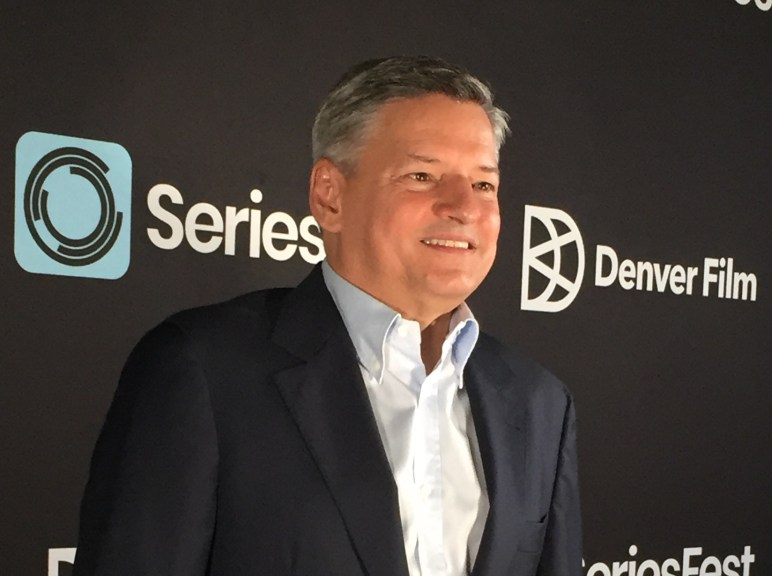
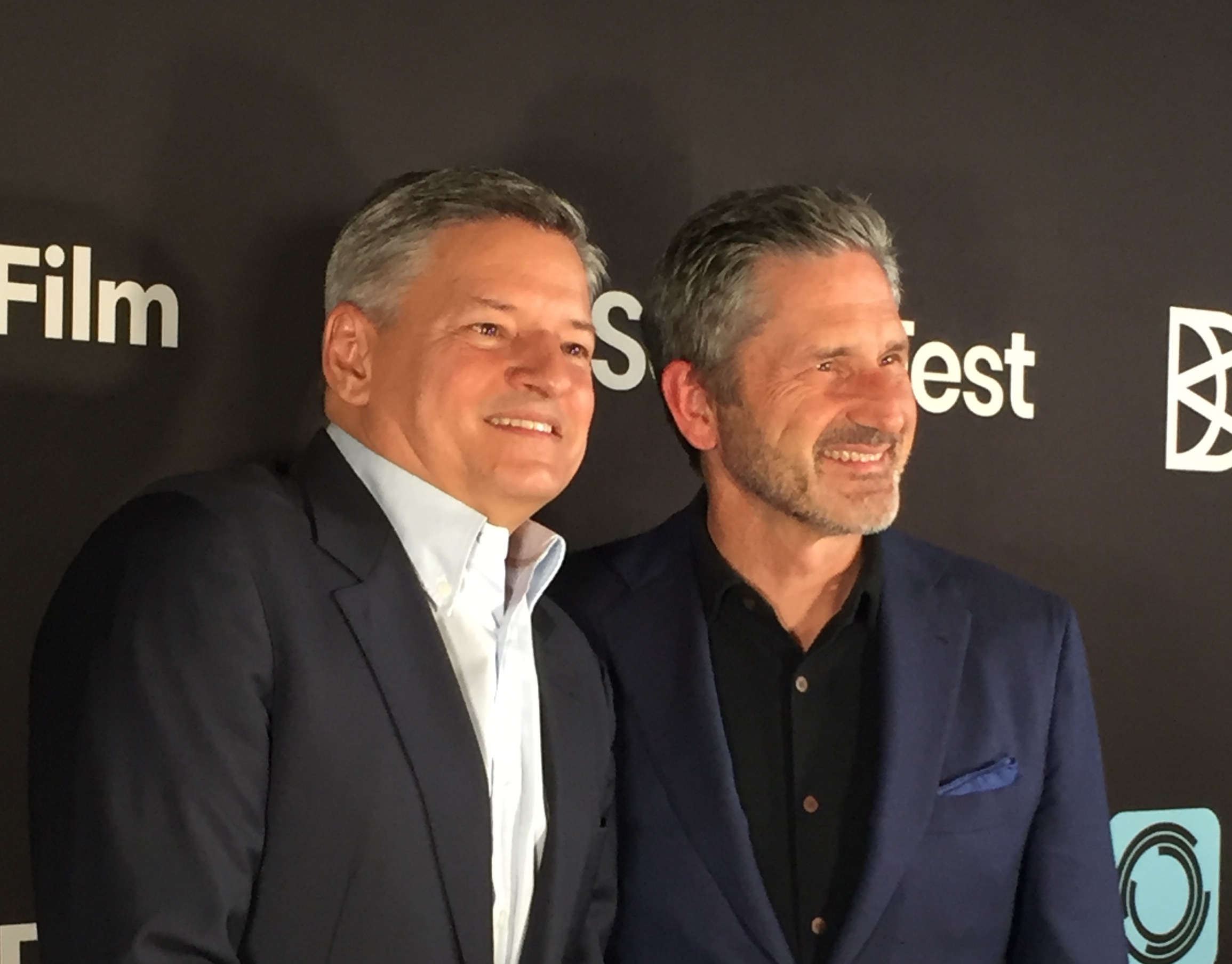
On Friday at SeriesFest in Denver, Colorado, Chief Content Officer of Netflix Ted Sarandos joined CEO of Liberty Global Mike Fries to take an inside look into how Netflix operates.
The Push for Original Content
The talks about making their won content date back to 1999, when Sarandos and CEO Reed Hatsings discussed how other networks and operation were doing original content, noting that HBO was the gold standard. Back then they were focused on building the bones that Netflix needed, and didn’t return to the conversation until seven years ago. The push for original content started when Netflix quickly realized that they would need something to rely on that wasn’t just acquired content once broadcast networks launched their own streaming services, and was “initially defensive”.
Addressing the Volume of Green Lighted Content
Fries told Sarandos that popular opinion is that his “decision making is a bit of a black box because [they] have massive amounts of TV and film…” He replied by saying that the relationship between algorithms and human decisions is a balanced one, and the choice of which pilots they decide to produce relies on how well they believe they can execute it. With data, “it does help you with the size of the investment… [but] sometimes we’re wrong on both ends of that.” Besides just the numbers, it’s also a very human decision to make- when House of Cards was being considered, Sarandos largely focused on the idea of the package that the talent and creator presented (Kevin Spacey and Robin Wright, as well as developer Beau Willimon). However you look at it, Netflix has an enormous amont of content to stream. FX President John Landgraf would argue that we’re in an era of “Peak TV”, but Ted Sarandos says we’re in the “Golden Age”.
Mass Cancellations
“One Day At a Time, American Vandal, and Love had 98% critic scores… but didn’t make it past three seasons.” Although all three shows got really good feedback from the critics, Sarandos cited the two most major sources in a show’s cancellation as cost and total viewership. He stated that if Netflix is spending money on shows that no one is watching, then there’s nothing to watch and people will quit the service. Critics and awards are nice to have (he noted that last year they were the highest nominated service at the Emmys)
The Enormous Budget
With a massive budget of $15 billion and 700 series, it can be difficult to qualify that amount of television. Sarandos argues that Netflix has a unique opportunity to take risks with shows because they have no “scarcity of shelf space”. While broadcast networks have a fixed scheudle that they have to plug a limited amount of shows into, Netflix has an open space with no limit to how much tv they can have. Even taking into account the risk aspect, Netflix still has an incredible amount of content- to which Sarandos replied that Netflix is making everyone’s favorite show. Rather than focusing on a wide reaching series, Netflix’s goal is to find a favorite show for each one of their viewers, meaning that while they “have a lot of programming… its not all for you.”
Advertising
The extent to which Netflix advertises to their customer as of now is purely their own shows. Even though you may not even know it, Netflix uses your browsing history and clicks to help market their content. For example, when you see an image attached to a show- that page looks different for other viewers. “The most efficient image to get people into the show and watching it becomes the default image.” He used the Crown as an example, saying that history buffs will get an image of Winston Churchill while fans of romance will see a photo of the royal couple. This tactic is also used to efficiently use advertising space on your page. Instead of advertising a new show every time they have one on your home screen, Netflix focuses on one show that they believe you want to watch based off of your data, and then change it periodically.
Major Deals
The decision process for overall deals at Netflix largely stemmed from the acquisition of broadcast content from the same creators that have been signed. Netflix signed Shonda Rhimes because they had worked with her previously when licensing her ABC shows for the streamer. In terms of what will happen in the future, Sarandos says that they have a pretty good sense of what kind of projects they’ll get from each creator. While Shonda Rhimes makes serialized shows and procedurals, Ryan Murphy makes dramas that he wants to be “popular and politically well recieved”.
The Importance of SeriesFest and Indie Television
Sarandos started off by saying that it’s “surprising to him” that indie television hasn’t quite taken off yet. Citing Netflix talent, he said that the Duffer Brothers hadn’t had any previous projects before ‘Stranger Things’ and when they came to Netflix they had already pitched the project eighteen times. Shows like ‘Sex Education’ and ‘Baby’ were both from very young producers, at just age 24 and 19. ‘GLOW’ and ‘Master of None’ were both written by proteges of Hollywood producers- an ‘Orange Is The New Black’ writer working under Jenji Kohan wrote ‘GLOW’ and Michael Schur apprentice Alan Yang wrote ‘Master of None’ with Aziz Ansari. All of these people have created success for Netflix, and they all came from nowhere.
Price Growth
When asked about the growth of the Netflix subscription price (which has grown by 60%), Sarandos stated that what’s most important about his service is the value. Rather than viewing it as just a price increase, he sees it as the price following the value. In recent years Netflix has increased its amount of original content exponentially, and so the price had to follow that. Instead of viewing it as an expensive price for a house, he views it as an apparopriate measurement of price per square inch. Not to mention, there are no ads and Netflix has no plan of pursuing that course.
Privacy
Privacy, which has been a major concern in Silicon Valley, was a major topic. Sarandos wants audiences to remember that although Netflix knows how many and which programs you watch, they don’t know anything about you (besides your credit card number, of course). There’s a level of anonymity to viewership, and the corporation does not know your age or race.
Plans for the Future
Don’t worry, Netflix has no plans to start advertising. While the price may go up (based on value, as explained previously) Sarandos assured that Netflix was built as an ad free platform and that’s what people expect- so that’s what they’ll get.
In terms of the streaming war, Netflix doesn’t see itself in the same wheelhouse as Disney+ because they will have completely different content. One major change, however, will be the increasing original content as acquired media is slowly pulled back into other services. In terms of moving to unscripted content or sports, Sarandos says that the scripted content avenue is so wide that they’ll have plenty to do in the future. When the day comes that football will be better on netflix, they’ll explore it. For now you have an upcoming season of Stranger Things and 699 other shows to explore.
 TV Wasteland